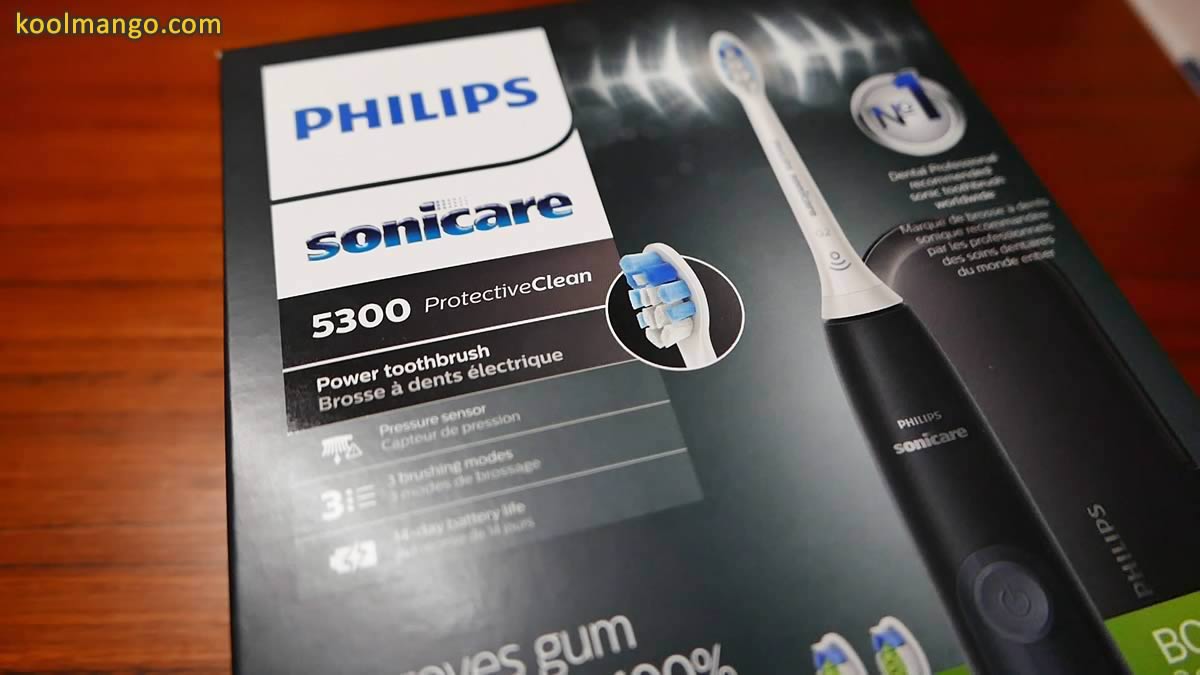
I remember the exact moment I stopped “wanting” a sonic toothbrush and actually got one. Not in a fancy store, not after comparing specs for hours—just a random Amazon check that turned into a small victory.
In Peru, prices for things like this can get ridiculous fast. I saw the Philips Sonicare 5300 sitting in stores for around 1400 soles—roughly $400. That’s not a premium, that’s punishment. So when it popped up on Amazon for $59.95 with free shipping to Peru, I didn’t overthink it. I just clicked buy and moved on.
I’ve been using it for almost two years now, and honestly, that time matters more than any spec sheet.
The first thing you notice isn’t power—it’s the feeling. The first few uses are a bit strange. There’s this high-frequency vibration that makes a regular toothbrush feel almost… primitive. But after a week or so, going back to a manual brush feels like trying to clean dishes with just water.

About the price: normally it floats somewhere between $100 and $110. And yeah, at that price I probably would’ve passed. Not because it’s not worth it, but because it crosses that mental line where a toothbrush starts competing with more “serious” purchases. At $60 though, it felt like sneaking into a premium experience through the back door.
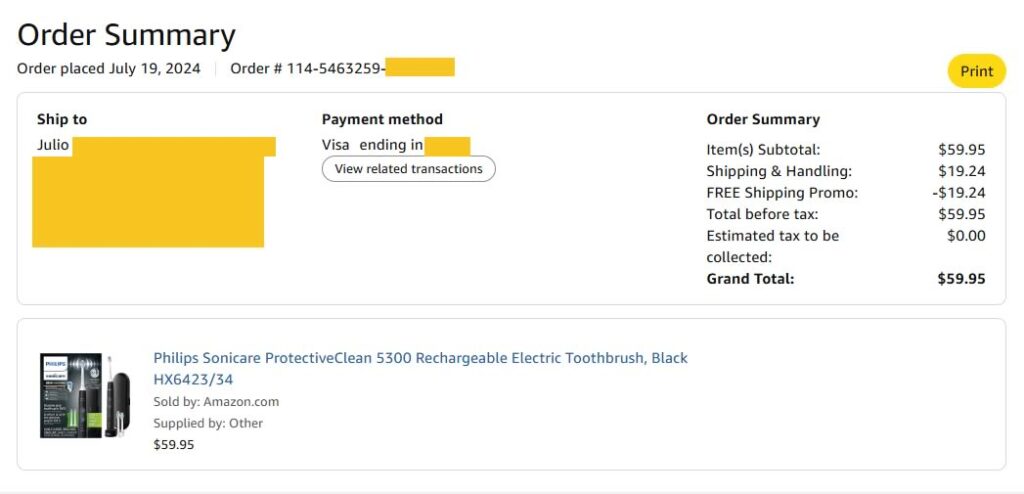
If you’re thinking about getting one, here’s something practical: don’t rush it. Add it to your cart and forget about it. Check every now and then—especially around late November. Discounts show up quietly, and if you’re patient, you can catch them without chasing them.
Now, the brush heads—that’s where things get interesting.
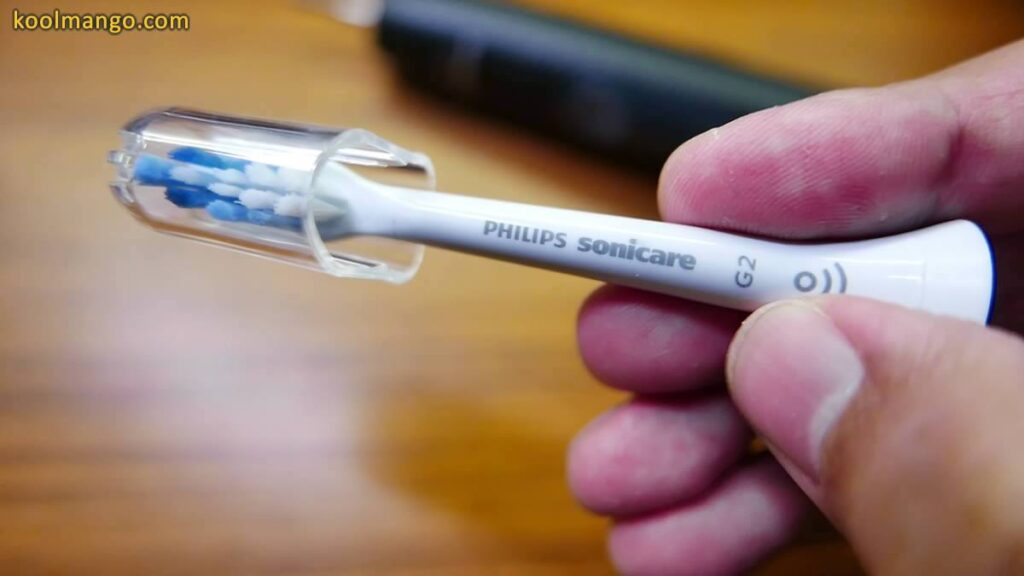
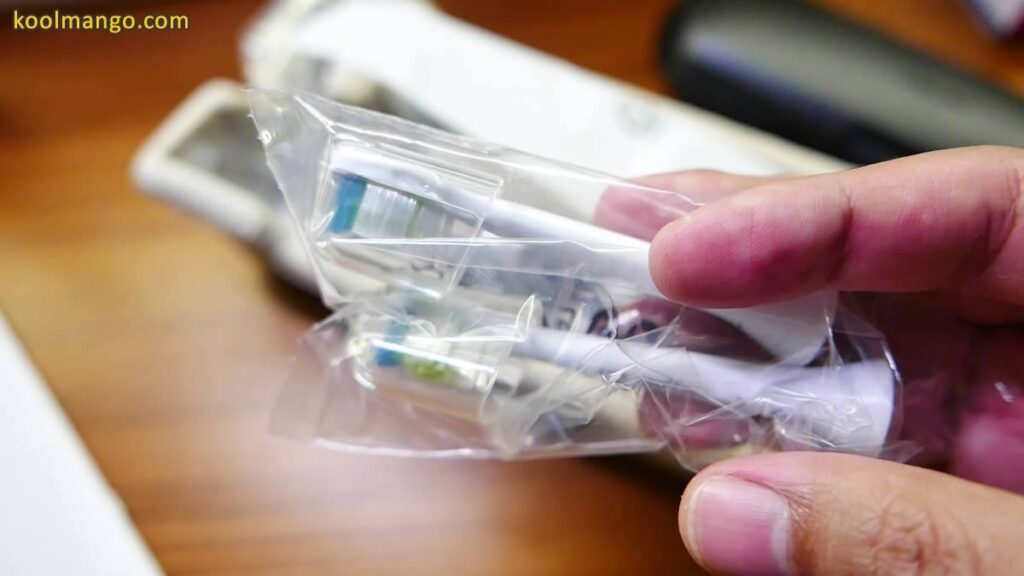
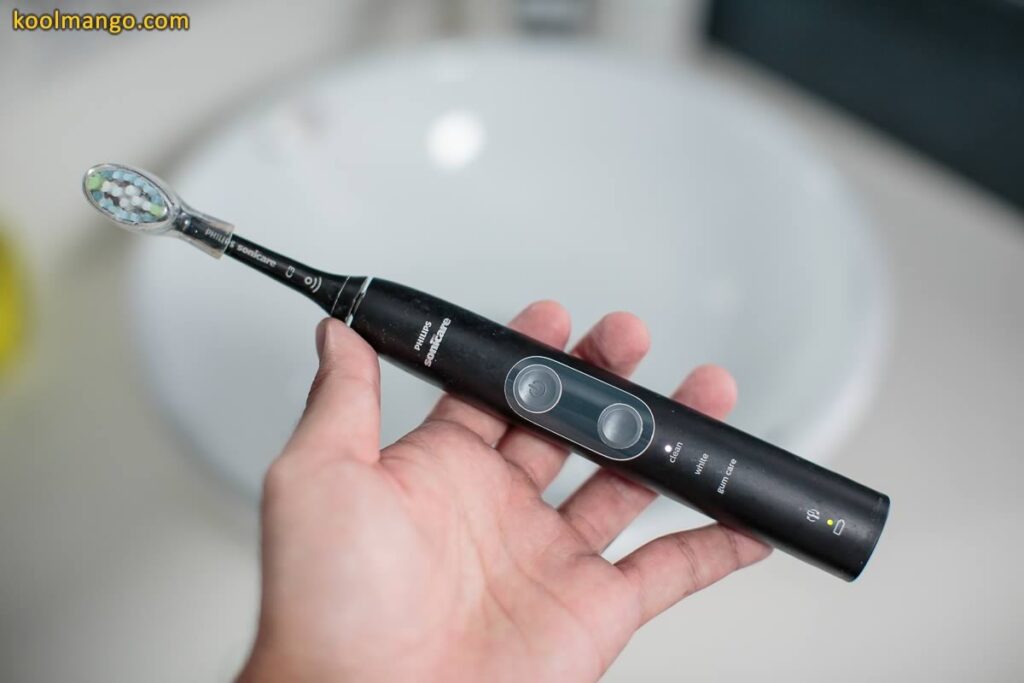
The one that comes in the box works fine. It’s basic, does the job, no complaints. But it’s small. The bristles are short, and you end up spending more time covering your whole mouth. It’s not inefficient—it’s just… conservative.
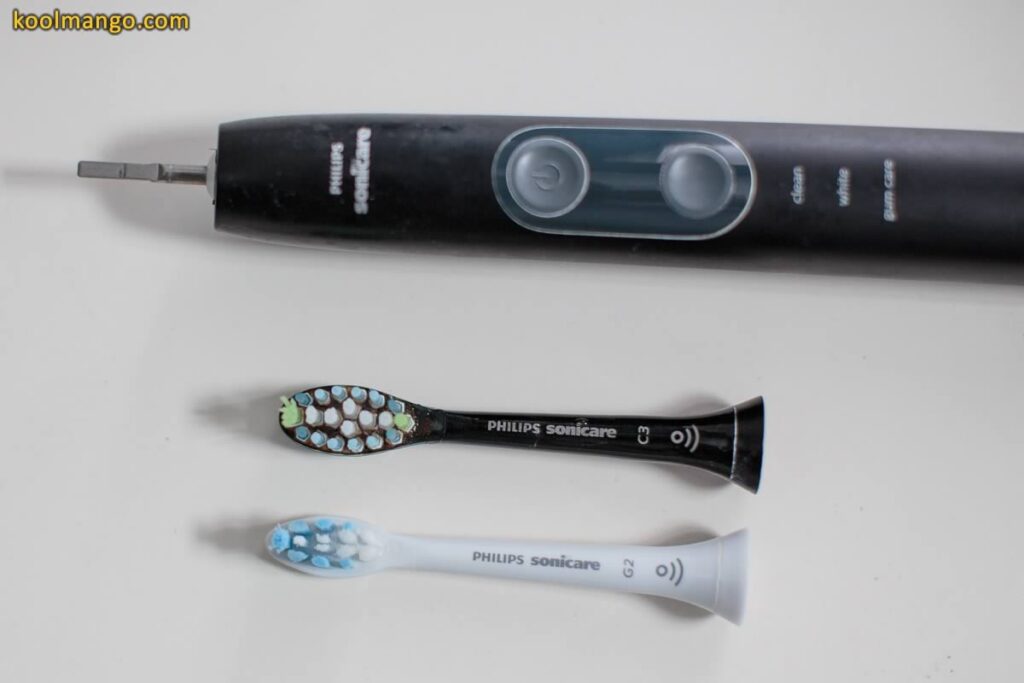
I ended up picking up two replacements: the C3 and the A3.
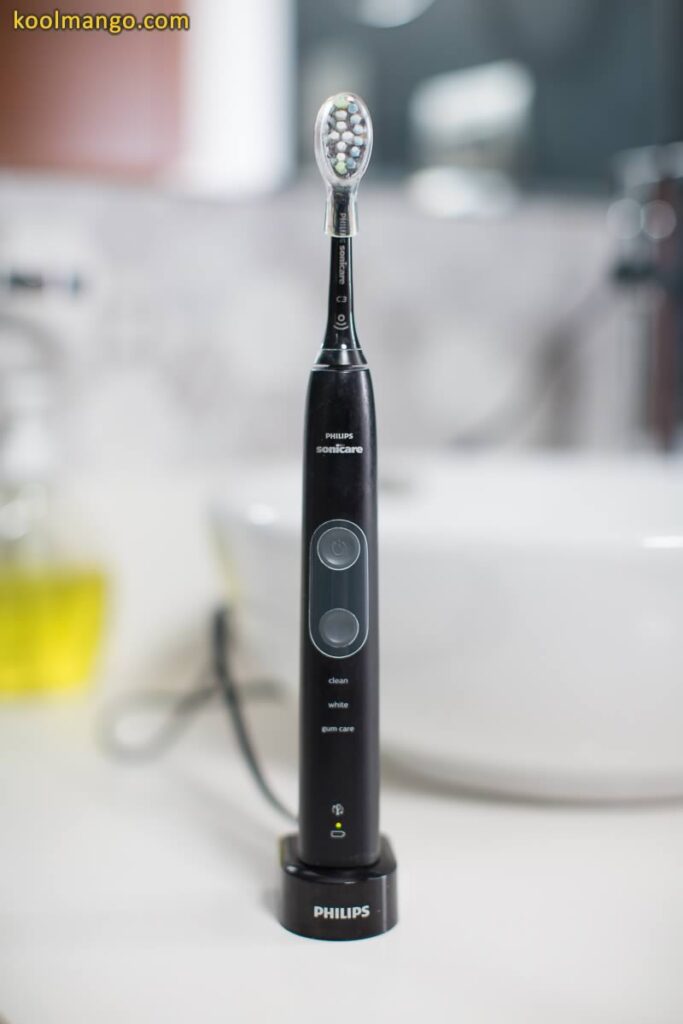
The Philips Sonicare C3 Premium Plaque Control is the one I’ve been using consistently. And yeah, there’s a noticeable difference. It covers more surface, slides better between teeth, and just feels more “complete” when you’re done. The original head? I cleaned it, stored it, and haven’t really looked back.
The Philips Sonicare A3 Premium All-in-One is still sitting unopened. I like having a backup ready. When I finally switch to it and give it a few weeks, I’ll probably have more to say—but for now, the C3 does everything I need.
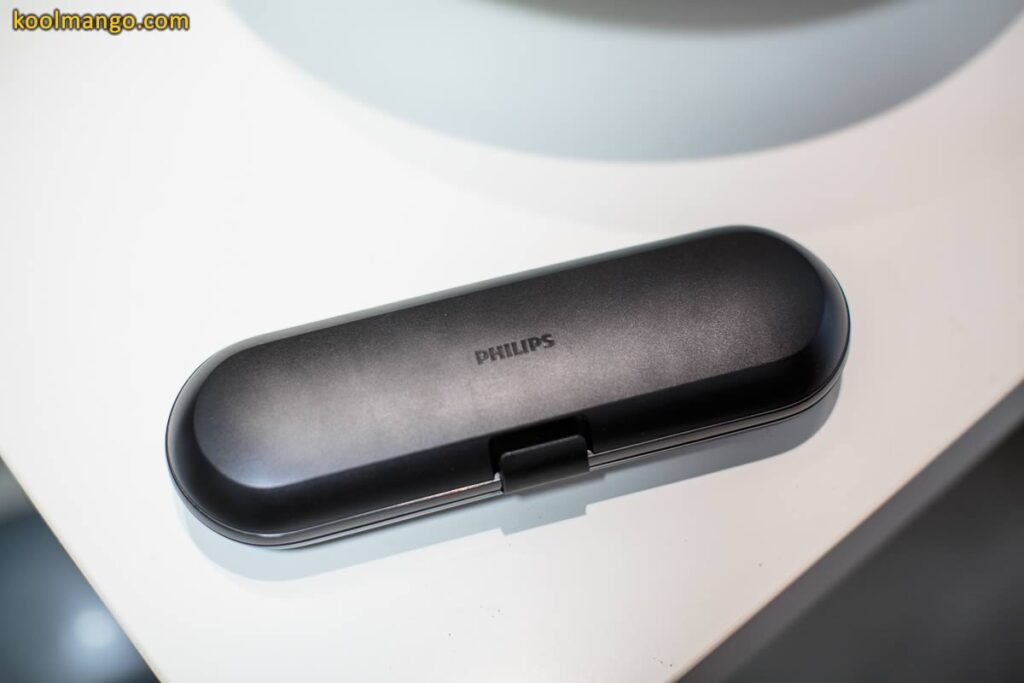
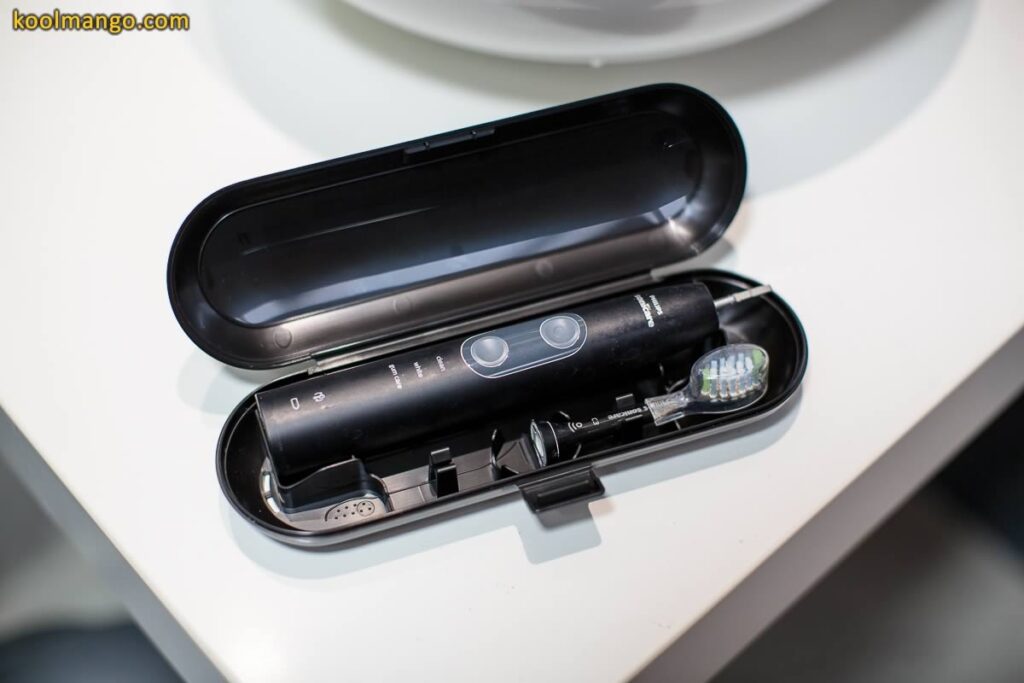
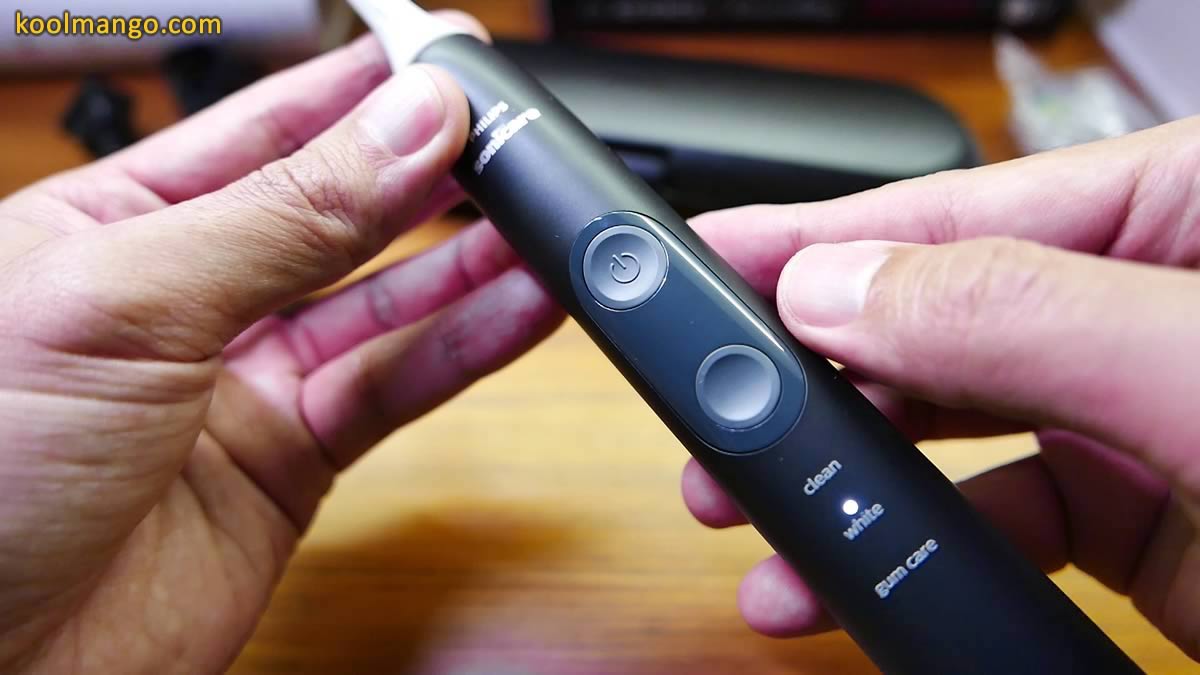
As for modes, I kept it simple. There’s a “Clean” mode, a “White” mode, and a few others depending on the variant—but I’ve only used Clean. No gum issues, no obsession with whitening. I just want my teeth clean enough to avoid cavities. That’s it.
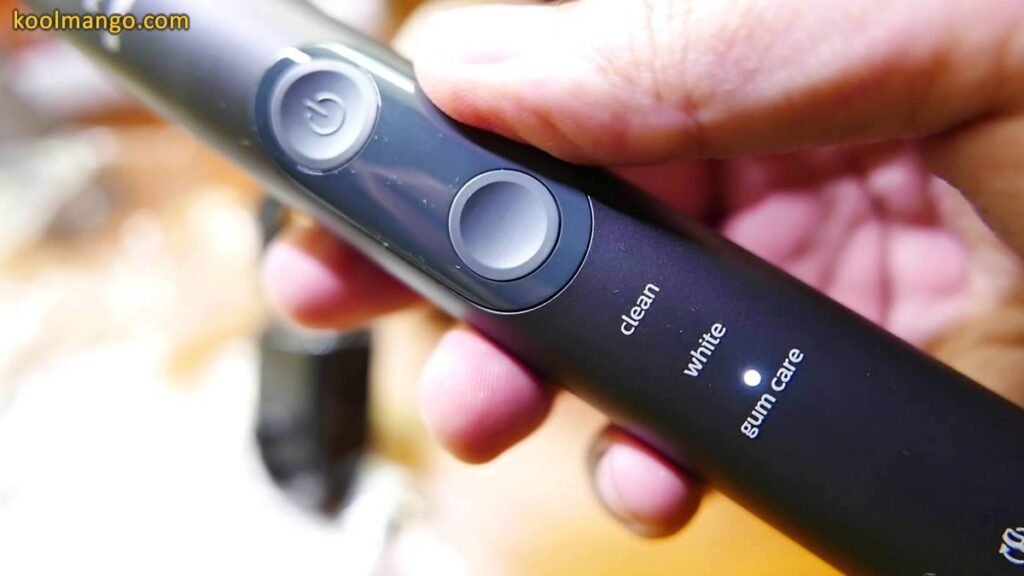
The routine becomes second nature quickly.
Toothpaste on the brush.
Brush inside the mouth.
Then power on.
If you do it the other way around, you’ll understand immediately why this order matters—sonic vibration plus toothpaste equals instant splatter.
From there, it’s just slow movement. Not scrubbing, not pressing hard. Just guiding it across your teeth, almost like you’re letting the brush do the thinking. I mentally divide my mouth into four sections. The brush actually helps with that—it pauses briefly every 30 seconds, signaling it’s time to move on. Two minutes total, like it’s quietly keeping you honest.
At first, I wasn’t sure if I was going too fast or too slow. Eventually I stopped caring. If something feels missed, I just run another quick pass. No drama.
What stuck with me the most is the after-feel. Teeth feel smoother—noticeably smoother. Not in a “just brushed” way, but closer to that feeling you get after a dental cleaning. It’s subtle, but once you notice it, it becomes the new baseline.
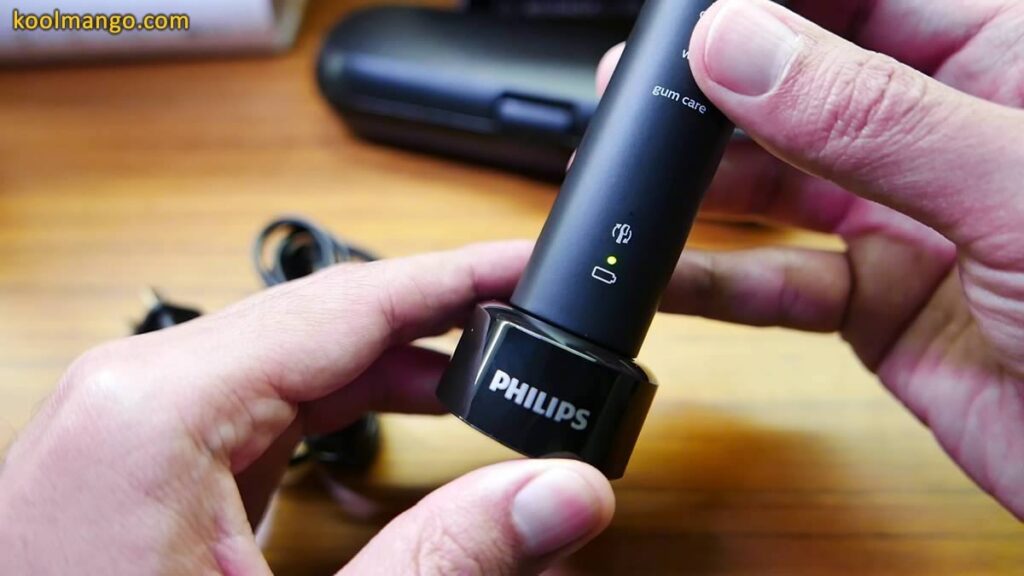
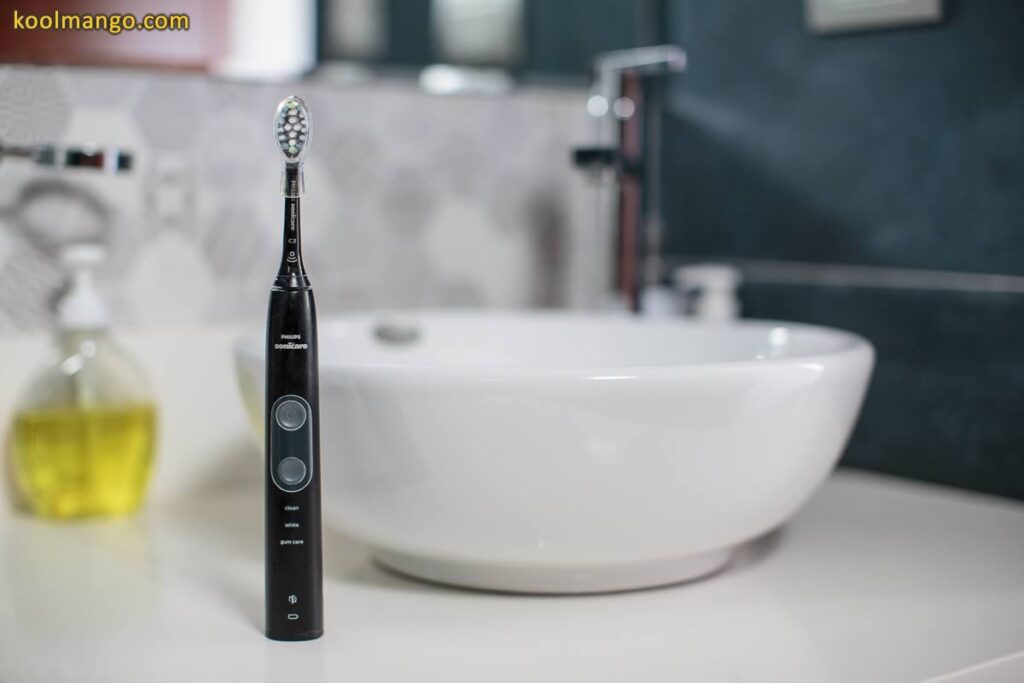
Battery life is another quiet win. It charges wirelessly on a small base—just drop it in place and forget about it. When it’s low, a blinking light reminds you. No cables, no hassle.
And yet, I still use a regular toothbrush sometimes.
Not because this one fails—but because I do.
There are nights when two minutes feels like a commitment. When you’re tired, and the idea of standing there, quadrant by quadrant, feels like too much. On those nights, I grab a manual brush and do a quick pass. It’s not ideal, but it’s better than skipping entirely. Real life doesn’t always match perfect routines.
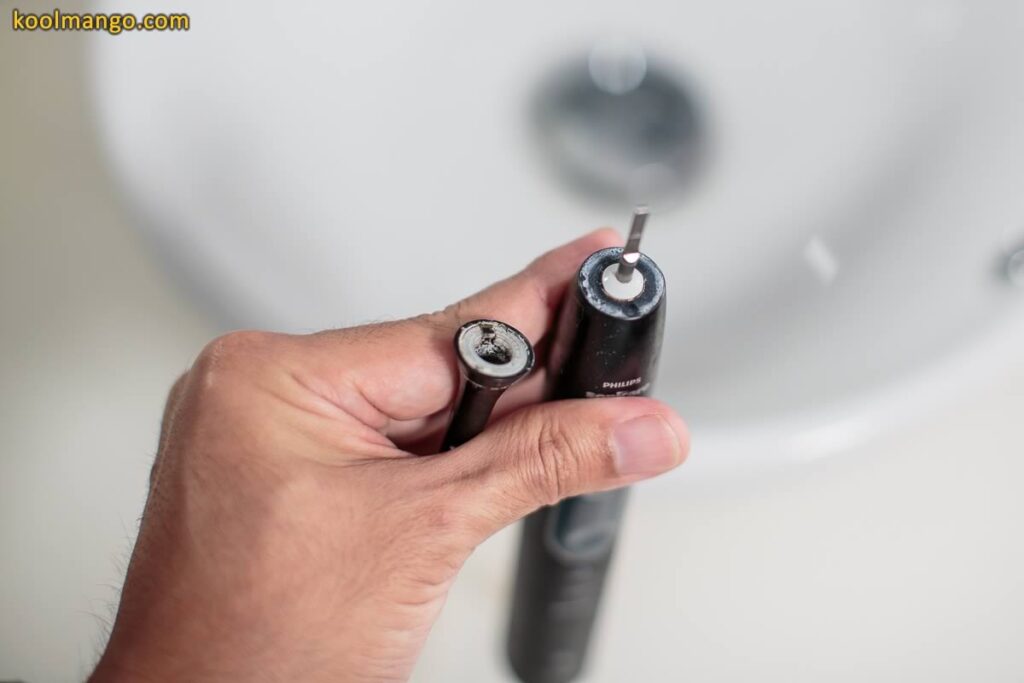
Maintenance is simple, but important. Every few weeks, I pull off the brush head and clean the connection area. Toothpaste and residue build up there over time. I just use an old toothbrush to scrub it clean. Takes a minute, and it keeps everything looking—and feeling—like new.
After almost two years, that’s probably the most surprising part.
It still feels new.
No drop in performance, no battery issues, no weird noises. Just the same consistent experience every day.
Looking back, it wasn’t just about getting a sonic toothbrush. It was about getting it at the right moment, at the right price, and then actually using it long enough to understand what matters—and what doesn’t.
And yeah, I’d do it again without thinking twice.
If you decide to buy it, you can support this blog by using my Amazon affiliate links (it costs you nothing extra and helps me keep bringing you in-depth analyses like this one):


